
Google has officially set the tone for the future of Android at the Android Show: I/O Edition 2026. The company unveiled a series of major updates that push Android deeper into the AI era, with Gemini Intelligence becoming the central force behind phones, laptops, cars, wearables, and even extended reality experiences.
The event highlighted Google’s growing ambition to create a connected ecosystem powered by artificial intelligence. From the launch of a new laptop category called Googlebook to smarter Android Auto features and advanced productivity tools, the company’s latest announcements show how AI is moving from a support feature to the core operating layer of digital devices.
Gemini Intelligence Becomes the Heart of Android
The biggest announcement at the event was the introduction of Gemini Intelligence across the Android ecosystem. Google described it as a proactive AI system designed to understand user behavior, automate everyday tasks, and make devices more personalized.
Unlike traditional voice assistants that respond only after commands, Gemini Intelligence is designed to predict needs and assist users more naturally. Google said the platform will work across smartphones, watches, laptops, cars, and future XR devices.
The AI system can now interact more deeply with apps and services. During demonstrations, Gemini automatically filled forms, organized shopping lists, assisted with travel bookings, and handled app-level actions without constant manual input.
Google also introduced multimodal support, allowing Gemini to understand screenshots, photos, text, and voice together. This means users can show an image or screenshot to Gemini and ask it to perform related actions instantly.
The company’s vision is clear: Android is no longer just an operating system but an “intelligence system” powered by AI.
Googlebook Introduced as a New Laptop Category
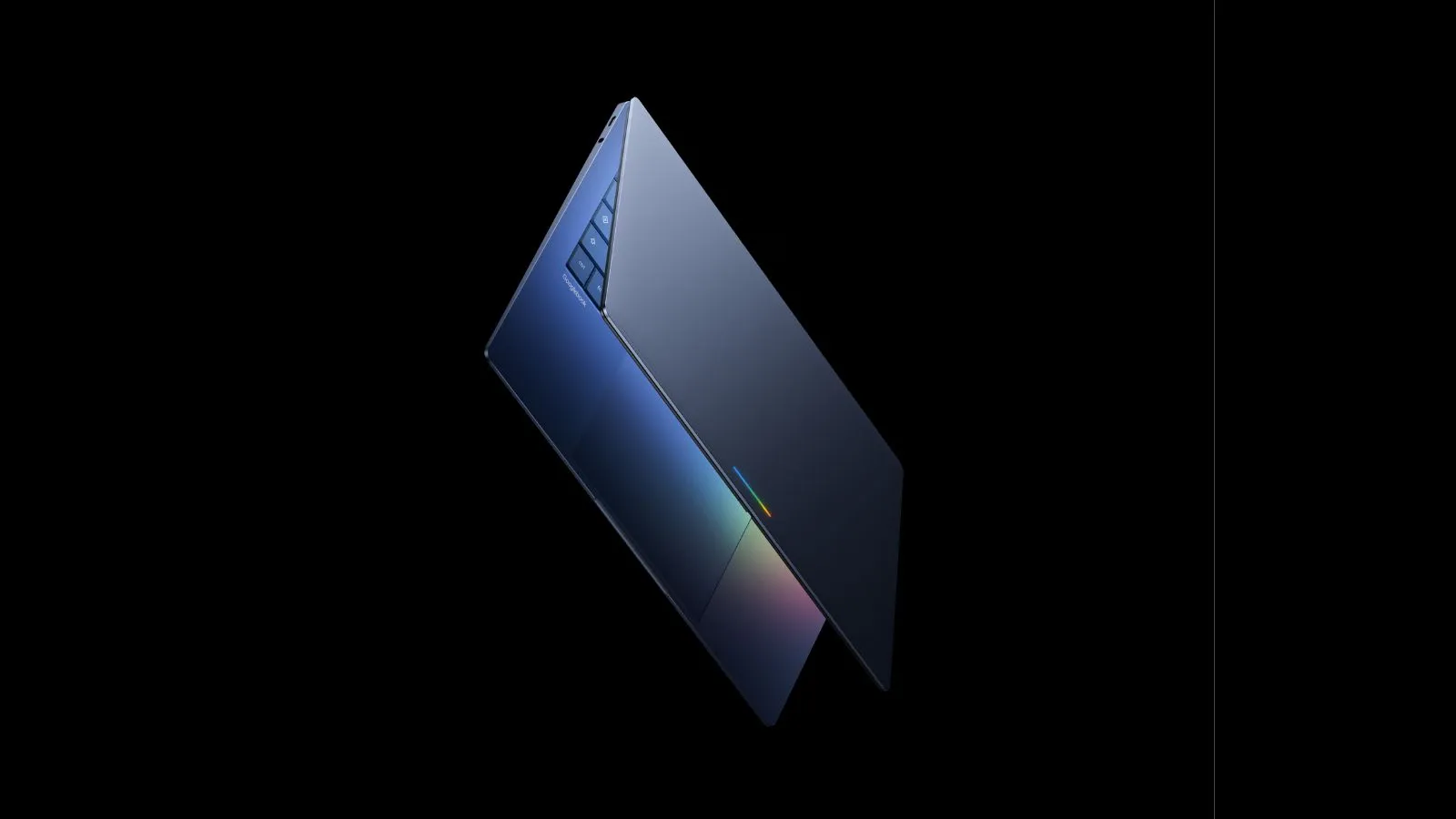
One of the most surprising announcements was Googlebook, a completely new category of laptops built around Gemini Intelligence.
Googlebook combines Android’s app ecosystem with the power of ChromeOS, creating what Google calls an AI-first laptop experience. The company said these laptops are designed to work seamlessly with Android phones while offering smarter productivity tools powered by Gemini.
According to Google, Googlebook devices will include premium hardware and deep AI integration. Features showcased include:
-
Smart multitasking support
-
AI-powered widgets
-
Cross-device syncing
-
Personalized workspace management
-
A “Magic Pointer” interface for contextual controls
-
A redesigned “Glowbar” interaction system
The laptops are expected to launch later this year through partner brands including Acer, Dell, and HP.
Industry experts believe Googlebook could become Google’s strongest attempt yet to compete directly with premium Windows laptops and Apple’s MacBook lineup.
Android 17 Focuses on Productivity and Security
Google also previewed Android 17, which introduces improvements in multitasking, privacy, entertainment, and device performance.
The new version of Android appears heavily optimized for AI-powered workflows. Google showcased smoother app switching, better screen management, and more intelligent notifications designed to reduce distractions.
Security remains another major focus. Android 17 includes smarter threat detection, improved privacy controls, and stronger app permission management powered by Gemini Intelligence.
The company also announced enhanced Ultra HDR support, better video stabilization, and upgraded media tools aimed at creators and mobile gamers.
One particularly interesting feature is the new “Pause Point” system, which helps users manage screen time by intelligently reducing interruptions and encouraging healthier digital habits.
Gemini Comes to Chrome and Widgets
Google confirmed deeper Gemini integration inside the Chrome browser. Users will soon see a dedicated Gemini button within Chrome that can summarize webpages, help fill forms, answer questions, and assist with browsing tasks directly.
The AI assistant will also support automated actions such as booking appointments or helping users complete online tasks faster.
Another major reveal was “Create My Widget,” an AI-powered feature that allows users to generate widgets using natural language prompts. Instead of manually designing widgets, users can simply describe what they want, and Gemini will create personalized widgets instantly.
Google says these AI-generated widgets will eventually expand beyond smartphones and arrive on Wear OS devices as well.
Android Auto Gets Smarter and More Entertaining
Google also announced a major redesign for Android Auto. The updated experience includes a cleaner interface, improved navigation visuals, and enhanced entertainment features.
Gemini Intelligence will play a central role inside vehicles, helping drivers manage tasks more naturally while staying focused on the road.
The company confirmed features such as:
-
Improved voice assistance
-
Smarter route suggestions
-
Enhanced Google Maps visuals
-
Better media recommendations
-
Expanded in-car entertainment support
Google also revealed that select premium vehicles from brands like BMW and Mercedes-Benz will support high-quality video playback and Dolby Atmos audio experiences.
The updates signal Google’s intent to transform Android Auto from a navigation platform into a complete AI-powered driving assistant.
Android Expands Beyond Smartphones
A key theme throughout the event was Google’s push beyond smartphones. The company emphasized that Android is evolving into a connected ecosystem spanning multiple devices and environments.
Google briefly discussed Android XR, its platform for extended reality devices and smart glasses. The company hinted that more details about Android-powered smart glasses could arrive later this year.
Developers were also encouraged to build experiences for future form factors including XR devices, AI-powered wearables, and Googlebook laptops.
This broader ecosystem strategy positions Android as a universal platform where AI connects every device around the user.
Google’s Bigger AI Vision
The Android Show 2026 made one thing very clear: Google is betting heavily on AI-driven computing. Gemini Intelligence is no longer limited to chatbots or search features. Instead, it is becoming deeply integrated into the entire Android ecosystem.
By combining AI with smartphones, laptops, cars, browsers, and future XR devices, Google is attempting to create a seamless digital environment where technology becomes more proactive and personalized.
The launch of Googlebook further shows Google’s confidence in building hardware experiences centered around AI from the ground up.
With competition intensifying in the AI race, the Android Show 2026 demonstrates that Google wants Android to remain at the center of next-generation computing experiences.
As the company prepares for Google I/O 2026, these announcements provide a glimpse into a future where AI becomes less of a feature and more of a digital companion integrated into everyday life.
SocioPR SocioPR SocioPR SocioPR SocioPR SocioPR SocioPR SocioPR SocioPR SocioPR SocioPR SocioPR SocioPR SocioPR SocioPR SocioPR SocioPR SocioPR SocioPR SocioPR SocioPR SocioPR SocioPR SocioPR SocioPR SocioPR SocioPR SocioPR SocioPR SocioPR SocioPR SocioPR SocioPR SocioPR SocioPR SocioPR SocioPR SocioPR SocioPR SocioPR SocioPR SocioPR SocioPR SocioPR SocioPR SocioPR SocioPR SocioPR SocioPR SocioPR SocioPR SocioPR SocioPR SocioPR SocioPR SocioPR SocioPR SocioPR SocioPR SocioPR SocioPR SocioPR SocioPR SocioPR SocioPR SocioPR SocioPR SocioPR SocioPR SocioPR SocioPR SocioPR SocioPR SocioPR SocioPR SocioPR SocioPR SocioPR SocioPR SocioPR SocioPR SocioPR SocioPR SocioPR SocioPR SocioPR SocioPR SocioPR SocioPR SocioPR SocioPR SocioPR SocioPR SocioPR SocioPR SocioPR SocioPR SocioPR SocioPR SocioPR SocioPR SocioPR SocioPR SocioPR SocioPR SocioPR SocioPR SocioPR SocioPR SocioPR SocioPR SocioPR SocioPR SocioPR SocioPR SocioPR SocioPR SocioPR SocioPR SocioPR SocioPR SocioPR SocioPR SocioPR SocioPR SocioPR SocioPR SocioPR SocioPR SocioPR SocioPR SocioPR SocioPR SocioPR SocioPR SocioPR SocioPR SocioPR SocioPR SocioPR SocioPR SocioPR SocioPR SocioPR SocioPR SocioPR SocioPR SocioPR SocioPR SocioPR SocioPR SocioPR SocioPR SocioPR SocioPR SocioPR SocioPR SocioPR SocioPR SocioPR SocioPR SocioPR SocioPR SocioPR SocioPR SocioPR SocioPR