
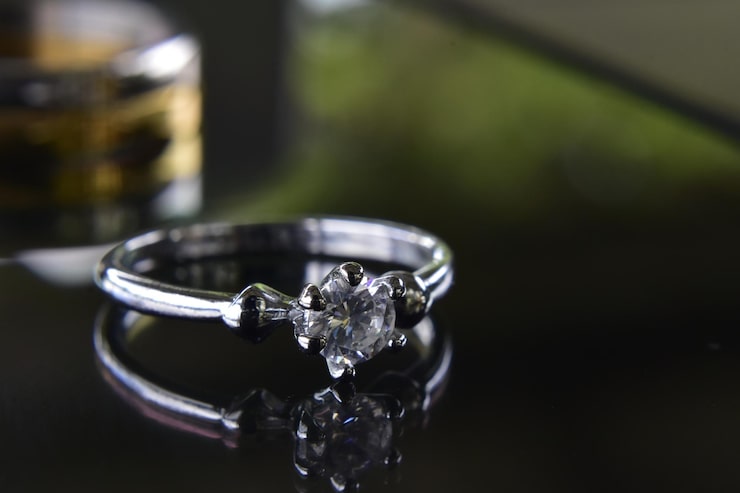
As we step into 2026, lab diamond engagement rings continue to captivate those seeking sustainable, high-quality alternatives to traditional diamonds. These stones offer the same brilliance and beauty, but with the added benefit of being ethically sourced and often more affordable. If you’re looking to make an informed decision about your engagement ring, here’s a modern buyer’s guide to choosing the perfect lab diamond ring for you.
Why Lab Diamonds are Gaining Popularity
In recent years, lab-grown diamonds have become a top choice for those who value both luxury and sustainability. Unlike mined diamonds, which have environmental and ethical concerns, lab diamonds are created in controlled environments that mimic the conditions of the earth, resulting in stones that are visually identical to their natural counterparts.
For those concerned about the environmental impact of traditional mining, lab diamonds provide a solution that aligns with modern values. The affordability factor also plays a crucial role in their rising popularity, with many couples opting for larger stones or more intricate designs without the hefty price tag that comes with mined diamonds.
Choosing the Right Lab Diamond Engagement Ring
When selecting a lab diamond engagement ring, there are several factors to consider to ensure you choose the one that best suits your taste and lifestyle. Here are some key considerations to guide your decision-making process:
Cut and Shape
The cut of the diamond determines its brilliance and sparkle. Lab diamonds come in a variety of shapes, such as round, princess, oval, and cushion. The shape you choose will depend on personal preference and the style of the ring. A round lab diamond is classic and timeless, while an oval shape offers a unique twist on the traditional. When it comes to the cut, look for the highest quality possible within your budget to ensure the diamond catches the light beautifully.
Color and Clarity
Lab diamonds are graded on a similar scale to mined diamonds, with the color ranging from D (colorless) to Z (light yellow or brown). Most people prefer diamonds in the D-F range for their superior clarity and colorlessness. However, diamonds with slight color tints (G-J) can also offer great value, providing a balance between appearance and cost.
Clarity is another essential factor. Lab diamonds can feature minor inclusions, but higher clarity grades (such as VS1 or VS2) tend to look flawless to the naked eye. Consider how important these qualities are to you, especially if you’re aiming for a flawless, high-end appearance.
The Setting and Metal Choice
The setting of your engagement ring plays a significant role in showcasing the lab diamond. Popular settings include solitaires, halos, and three-stone designs. Each style emphasizes the diamond differently, so choose one that reflects your personal style and complements the diamond’s shape.
As for the metal, popular options include white gold, platinum, and yellow gold. White gold and platinum provide a sleek, modern look that pairs beautifully with lab diamonds, enhancing their brilliance. Yellow gold offers a more classic, vintage vibe and can create a beautiful contrast with the stone.
Conclusion: Final Thoughts on Finding the Right Lab Diamond Engagement Ring
When searching for the perfect lab diamond engagement ring, it’s essential to balance quality, style, and sustainability. Lab diamonds offer the opportunity to acquire a high-quality stone while remaining mindful of the planet and your budget. Take your time to understand the various factors that contribute to a diamond’s beauty and choose the one that best represents your love story.
To learn more about how to find the best jeweler for your lab diamond engagement ring, check out this comprehensive guide. This guide will provide you with all the information you need to confidently make one of the most important purchases of your life.